You are here: Home » OTB Skin Care Blog Welcome Guest | Login or Register

Intertrigo: A Red Rash In The Skin Folds

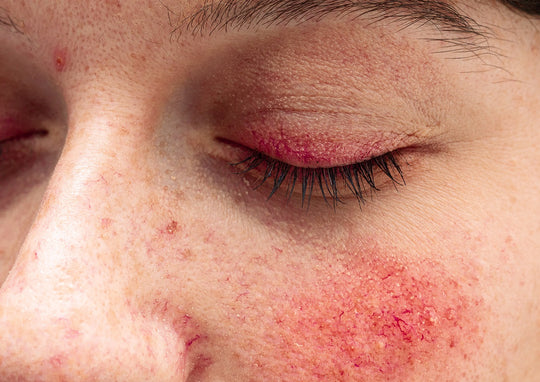
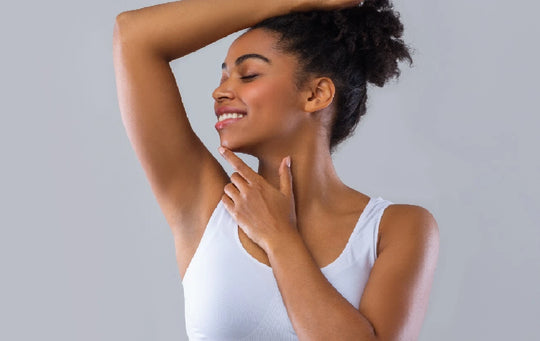
Everybody has areas where their skin folds over on itself. When skin is warm and sweaty the conditions are perfect for intertrigo, the common skin fold rash. The skin folds most affected by this rash are those under the breasts, under the stomach, and in the arm pits. The deeper the folds, the more likely the chance for intertrigo.

What makes the skin folds susceptible to this annoying red skin fold rash?

  1. Moisture from sweat
  2. Rubbing together of folded skin, causing the dead skin cells to rub off and accumulate
  3. Irritation caused by normal skin germs which thrive in this environment
  4. Growth of a yeast germ called candida, which occasionally also ‘dog piles’ on the problem making a real mess of the skin

Who gets intertrigo?

Anyone with sweaty skin. In my practice I mostly see adults with intertrigo. People with large breasts or a fold under their belly fat are especially prone to intertrigo. Babies can also develop intertrigo in their little skin folds. Because the skin germs thrive in a sweet and sugary environment, diabetics are particularly prone to intertrigo; they often also get the candidal yeast infection in the folds making their rash particularly severe.

The common risk factor is prolonged moist and warm skin from sweating. I see patients with this skin fold rash all year long. During the summer it’s due to the hot weather. In the winter it’s because of the layers of thick clothing worn to keep warm.

Dermatologist’s Recommendations for Care and Prevention for Intertrigo Prone Skin

These are the recommendations that I give my patients. I’ve found that the trick to treating and preventing intertrigo is to try to keep the skin folds dry and sweat free. Using anti-yeast skin care products also helps. For really irritated skin I add a short course of nonprescription cortisone cream.

Preventative care

  • Wash your skin folds with Dial soap. The anti-bacterial ingredient in Dial will decrease the skin germs. Dial also has an ingredient that acts like an antiperspirant and will block your sweat ducts, decreasing sweat in your folds. I don’t recommend using Dial soap elsewhere on your body because it’s simply too drying, and frankly, you don’t need antibacterial ingredients and clogged sweat ducts on the rest of your skin.
  • After bathing, towel-dry your skin and then blow dry your folds until they are totally dry.
  • Apply Zeasorb AF powder to your dry skin folds. Zeasorb AF contains an anti-yeast medicine. Never ever apply corn starch based-powders to your skin folds because the starch feeds yeast.
  • Wear breezy, loose cotton or linen clothing that breathes and allows sweat to air dry quickly. You can even separate your folds with absorbent cotton cloth. Avoid synthetic and thick fabrics that don’t allow your sweat to air dry.
  • Stay cool to decrease sweating.

Treatment of Intertrigo

If the red, painful and sometimes even smelly rash of intertrigo flairs up in the skin folds in spite of following the skin care outlined above, then medicine is needed to control it. Luckily there are effective medicines over the counter. In addition to my care instructions above, I have my patients stop applying the Zeasorb AF powder after blow drying their folds and instead apply the following medicine to the affected area twice a day:

  • Clotrimazole cream (eg. Lotrimin Cream). Clotrimazole Cream needs to be used for at least 2 weeks because it takes 2 weeks to fully treat a yeast infection.
  • If clotrimazole cream alone does not start to decrease the redness within a few days, I then have patients add a thin layer of 1% hydrocortisone cream after the clotrimazole cream. I tell them to stop the hydrocortisone a soon as possible because it can thin the skin. (If you chose to use hydrocortisone, don’t use it or more than 2 weeks without seeing your doctor and having them supervise your treatment.)

Important precautions:

  • All cream products have ingredients that can sting damaged skin, including the rash of intertrigo. Of course, severe stinging is a sign you need to see your doctor and have your diagnosis confirmed and treatment supervised by them.
  • Don’t use clotrimazole or hydrocortisone creams with other active ingredients like anti-itch medicines (Benadryl, ‘cains’ etc) because you can become allergic to them, and this will make the rash even worse.
  • Severe intertrigo can be weepy and very tender. You will need to see your doctor if your rash has gotten really bad.
  • Not every skin fold rash is intertrigo, anyone whose rash is not responding within a week needs to see their doctor to confirm their diagnosis.
  • Babies’ skin is so delicate that treatment should always start with a doctor’s exam and should be supervised by their doctor as well.
  • Diabetics are much more prone to intertrigo than everyone else and so anyone who is continuously troubled by this annoying red skin fold rash needs to be seen by their doctor and tested for diabetes.

Lastly, I recommend that even non-diabetics who are prone to intertrigo consider avoiding foods that raise their blood sugar. This includes high glycemic foods like sweets, refined flour foods and sugary drinks. ‘We are what we eat’ and a low glycemic, veggie-intense healthy diet is ideal for supporting skin health.

If you found this information helpful, you may also want to read:

Stop The Summer Darkening Of Your Age Spots

Cracked, Dry and Splitting Fingernails; Dermatologist’s Tips

Dermatologist’s 3 Simple Steps To Have Sandal Ready Feet By Spring

Photo: Gratitude and thanks to Conorwithonen

Share and Enjoy:
  • Facebook
  • Twitter
  • StumbleUpon
  • Kirtsy
  • del.icio.us
  • Mixx
  • Google Bookmarks
  • LinkedIn
  • Print
  • email

Treating Teenage Acne: Dermatologist’s Complete Info To Clear Acne Fast

On the pages of OTB Skin Care you get a dermatologist’s explanation of your acne treatment options. With over 25 years of dermatology practice, I’ve seen just about every type of teenage acne and at OTB Skin Care I explain how different teen skin types can use nonprescription acne treatments to clear acne fast. I also give you medical information on why your current acne treatment may not be working for you. And… because diet affects your acne, I tell you how to use your diet to help fight acne too.

There’s a lot of acne skin care misinformation on the web, in beauty magazines and in stores. I cut through the hype and tell you what I’ve seen work for the teenage acne patients I treat everyday.

10 Great Teenager’s Acne Resources at OTB Skin Care from Dermatologist Dr. Cynthia Bailey:

  1. My short summary of Acne Treatment Basics
  2. My No-Nonsense Acne Treatment Kits containing all the nonprescription medicines available for acne treatment-you can’t find a more complete acne treatment kit anywhere-and I’ve customized the products based on your skin type!
  3. My professional strength Glycolic Acid Facial Treatment kit for teenagers with acne who are allergic to salicylic acid or intolerant to benzoyl peroxide
  4. My acne treatment product combination for teens allergic to salicylic acid: The Glycolic Acid Facial Treatment kit plus OTB SKIN Bacteria Killing Lotion with benzoyl peroxide applied after the Glytone Exfoliating Lotion from the Glycolic Acid Kit.
  5. My secret weapon (when your acne includes lots of little blackheads with itchy/tender bright red pimples along your hairline and jawline, possibly even red scaly skin along the crease of your nose) is to add Noble Zinc Soap once a day in place of your acne kit soap. This medicated, non-drying, oil-free cleanser kills a yeast germ that causes some types of acne.
  6. Retin A often works beautifully for acne that includes blackheads and clogged pores. There are tricks to using Retin A successfully and if your doctor has prescribed Retin A for you, and if you’re having trouble tolerating it, ask them if my Retin A application instructions might be right for you.
  7. I explain how you can change your diet to better fight acne.
  8. I give you all the ‘tricks of the trade’ for how to unclog your clogged pores just like we skin care professionals do.
  9. I outline my professional treatment plan for back and chest acne.
  10. Lastly, I give you an actual medical explanation of why your acne treatment may not be working, and the medical conditions to ask your doctor about, in my post on Common Reasons Why Your Acne Treatment Might Not Be Working

My goal is to give you in-depth acne information to understand your teenage acne. All the information at OTB Skincare is written by me, a board-certified dermatologist with over 25 years of experience treating thousands of teens with acne. Discuss my acne information with your parents and take it to your treating doctor. Teenage acne is embarrassing and I want to help you to get your skin cleared up fast. Are there other acne topics you’d like me to write about? Send me your suggestions.

If You Found This Helpful, You May Also Want To Read:

Tanning Addiction; Dermatologist’s Personal Story

Dermatologist’s Simple Tips for Athlete’s Foot Fungus

Chapped Lips: The Remedy Depends On The Cause

Photo: Thanks and much gratitude to Pasotraspaso for the great photo

Share and Enjoy:
  • Facebook
  • Twitter
  • StumbleUpon
  • Kirtsy
  • del.icio.us
  • Mixx
  • Google Bookmarks
  • LinkedIn
  • Print
  • email

Great Sun Hats: What Works and What Doesn’t

Sun-protecting your skin isn’t just about wearing sunscreen anymore. Healthy sun protection is about keeping the sun’s rays from ever reaching your skin and a hat is one of the most important ways to do that. Your face and neck get the most sun of all your skin, and it’s where we doctors find the most skin cancers. It’s also the most wrinkled part of anyone’s skin, and that, too, is because of sun exposure. Outwit wrinkles and skin cancer by wearing a great sun hat when you’re in the sun.

4 Essential Characteristics Of The Perfect Sun Protection Hat

  1. It needs to be made of sun impenetrable material. Many hat companies are now rating a hat’s sun protection qualities and ideally you want a hat that says it has a UPF 50. A lot of good hats aren’t rated, however, and you can always test their sun permeability with my Detecto Ring.
  2. It must have a full circumference brim measuring 3 to 5 inches. The brim needs to be firm enough that it doesn’t fold and buckle in the wind, leaving you exposed. A billed hat like a visor or baseball hat is never good enough; it’s job security for me because a billed hat dosn’t protect the sides of your face, your ears and your neck. Never depend on billed hats for sun protection when your outdoors.
  3. The hat needs to cover your entire scalp with sun impenetrable material. This means no visors and no hats with mesh tops. Trust me, you don’t want skin cancer on your scalp and it’s all too common. I can’t tell you how many cancers I find on the scalp of women who have a good head of hair. Remember, your part line is in the sun whenever you are unless you’re wearing a hat. Men with thinning hair need to wear a hat to protect their scalp skin long before they have a bald spot. If they do, then, when they’re inevitably balder, they’ll have lovely, spot-free scalp skin instead of a scalp covered by liver spots, white marks and scars from skin cancer and pre-cancerous lesions treatments.
  4. A good sun hat needs to stay on your head. This means it needs to fit well. Some hats have adjustable brims so you get the perfect sizing for your head. Also, depending on your activities, you may need a chin strap to keep it from blowing off.

If you’re new to full brim hats, keep trying new ones until you find what works for you. When I first started wearing full brim hats, it took me a while before I found ones that were comfortable to wear, worked for my activities and that looked good on me. I went through a lot of duds before I figured out what I liked. Now I have a great hat for every outdoor activity. I even keep one in my car for running errands.

I started selling hats in my office because patients were having trouble finding the same good looking and practical hats that I use. The hats have been a real hit so I’ve added a few to my web site. I want every body to wear hats for sun protection. I’ve added a little incentive by giving a 10% discount when you buy a hat and my Sun Protection Kit. The combination gives you everything you need for smart, dermatologist-approved sun protection — and you get a good deal too.

If you found this helpful, you may also want to read:

Stop The Summer Darkening Of Your Age Spots

6 Tricks For Sun Protecting Your Skin In Really Hot Weather

Skip The Tan And Eat Your Veggies For Beautiful Skin Color

Share and Enjoy:
  • Facebook
  • Twitter
  • StumbleUpon
  • Kirtsy
  • del.icio.us
  • Mixx
  • Google Bookmarks
  • LinkedIn
  • Print
  • email

Summer Skin Care…. and Repair

Each season has its special impact on your skin — both good and bad. Summer’s no different. While you’re outdoors and active in the heat and sun, your skin is exposed to some pretty harsh conditions. Keep it healthy and looking great with some simple changes in your skin care.

Solutions for the biggest summer skin problems that I see in my dermatology practice:

Thick, rough and cracked feet: Walking barefoot or in sandals leaves feet thick, rough and cracked. Keep them soft with exfoliation. My ’step by step’ instructions to keep your feet soft and attractive this summer: Dermatologist’s 3 Simple Steps For Sandal Ready Feet By Spring

Athlete’s foot: sweaty athletic shoes and public showers breed fungus. If your feet are scaly, itchy and cracked you may well have picked up this highly contagious problem. Get rid of the fungus before it gets worse by following my instructions: Dermatologist’s Tips For Athlete’s Foot Fungus Treatment.

Chapped and sunburned lips: Sun and wind chap and burn lips fast. You need good sun protection when you’re outdoors, and mineral sunscreen products designed specifically for the lips, such as Lip Cotz, are the best. Some colored lipsticks can also give your lips good sun protection.

For moist, healthy lips you also need constant applications of a really good lip balm like Ceralip or pure shea butter. I recommend avoiding lip balms with a lot of medicated or herbal ingredients because I see so many people whose severely chapped lips are actually due to allergic reactions to these ingredients. I recommend using just the hydrating ointment base in lip balms and skipping all the dicey ‘extras.’

Gardener’s Hands: chapped, rough and cracked hands are a part of summer for you if you’re a gardener (like me). Good hand care is essential to keeping your hands looking even remotely presentable outside of the garden. The same hand care that I outlined in the winter for all the folks with chapped hands from hand sanitizers will fix your gardener-worn hands too.

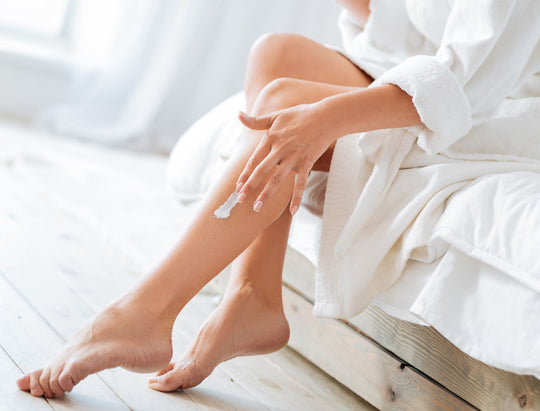
“Embarrassing” arms and legs!: I can’t tell you how many people are embarrassed to show off their arms and legs; like it or not, summer fashions show more skin. After about our mid-twenties, just about everybody has to put a little work into keeping their arm and leg skin looking good. My recommendations:

At a minimum, moisturizing will help control the dry, flaky scale and give your skin an attractive, dewy look.

Adding sun protection plus alpha hydroxy acid hydration combined with physical exfoliation keeps the age spots from darkening. I give you instructions in my post: Stop The Summer Darkening of Your Age Spots.

On top of that, if you add a sunless tanner, you’ll have evenly bronzed, dewy hydrated skin with a buffed and polished glow! I tell you how in: Use Self Tanners Like A Pro.

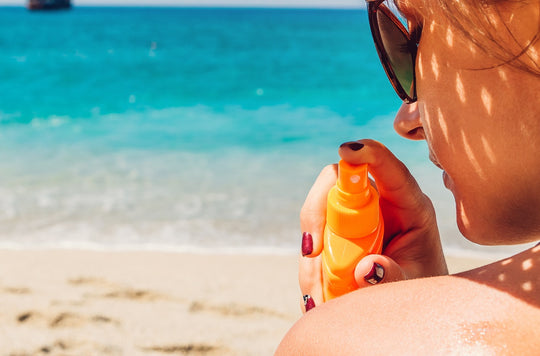
Stressed facial skin: In the summer, facial skin care is all about survival; summer sun and environmental exposure will cause permanent damage to your facial skin unless you protect it every day. Sunscreen and antioxidant skin care products are essential for anyone seriously concerned about facial wrinkles and age spots (not to mention skin cancer). The best sunscreens are the mineral-based products. The best antioxidant protection comes from products with high concentrations of vitamin C and products that combine green tea and caffeine. Every day there are new ‘miracle’ antioxidants and sunscreens hitting the skin care market, but in my opinion, the mineral sunscreens and vitamin C and green tea/caffeine antioxidant products have the best scientific evidence proving their benefits; they’re what I personally use and recommend for my patients.

With good skin care you can have soft, healthy and fabulous-looking skin all summer long.

If you found this information helpful, you may also want to read:

How To Get The Most Out Of Your Anti Aging Skin Care

5 Steps For Smart Sun Protection

Photo: Thanks and gratitude to Dystopian

Share and Enjoy:
  • Facebook
  • Twitter
  • StumbleUpon
  • Kirtsy
  • del.icio.us
  • Mixx
  • Google Bookmarks
  • LinkedIn
  • Print
  • email

Acne Diet: Cut Down On Dairy To Get Rid Of Pimples

There are foods that cause acne, and dairy appears to be one of them.

For years, dermatologists have told acne patients that foods did not affect their pimples and blackheads. Well, a recent scientific article in the Journal of the American Academy of Dermatology has us rethinking that. Among the dietary advice I’m now giving my acne patients (both teenage and adult acne patients) is that they should limit their milk and cow dairy intake.

Interestingly, it’s not just the fat in the milk, nor is it the added hormones. It seems to be the milk itself.

Reasons that might explain milk’s role in acne include (science geek facts):

  1. Milk contains substances that your body converts to testosterone (a hormone that affects your pores, causing oil production and acne).
  2. Milk stimulates your body to produce a natural chemical called insulin-like growth factor (IGF). This IGF increases your body’s own natural testosterone hormones. It also increases how well these hormones effect your pores, causing more oil production and possibly more pimples and blackheads.

Skim milk products seem to be the worst for acne, though all cow dairy milk products may play a role regardless of whether they’re made from whole milk, low fat milk or skim milk. The authors of this new scientific acne diet study conclude that more research is needed to fully understand what role dairy foods play in causing acne, but for now I think there’s enough information to be concerned.

People avoiding dairy need alternate sources of calcium for bone health. Ask your primary care physician for recommendations. Non-milk sources of calcium include calcium supplements, calcium-fortified foods, green leafy veggies like kale and spinach, other veggies like broccoli, whole grains, nuts, and salmon.

Lastly, the diet studies looking at milk and acne have not looked to see if there is a difference between cow dairy and other sources of dairy products like goat milk. Goat milk is significantly different from cow milk in many ways and it will be interesting to see if this makes a difference to acne; my hunch is that it will.

Diet and acne is a fascinating topic. Patients have known there was a link for years and scientists are just now agreeing. I’d love to know if you’ve seen any effects of dairy foods, or any foods on your acne. Please send me your stories via a comment or using the ‘Contact Dr. Bailey’ link in the left margin of this page.

For more on foods and acne see my other posts on the subject:

4 Diet Changes That Can Improve Your Acne; Dermatologist’s Advice

Why Carbs In Your Diet Can Give You Acne

For my recommendations on acne skin care:

How To Treat Acne Now And Prevent ‘Back To School’ Pimples

How To Unclog Your Clogged Pores

Back And Chest Acne; Will They Ruin Your Summer

My Acne Treatment Kits

My Acne Kit For People Allergic To The Usual Acne Products

My Simple Acne Tips & Advice

Reference: Reference: Whitney P. Bowe, MD et. al. Diet and Acne, J of the Am Acad Dermatol 2010;63:124-41

Photos: Much thanks and gratitude to Kyle May and Steve Arnold

Share and Enjoy:
  • Facebook
  • Twitter
  • StumbleUpon
  • Kirtsy
  • del.icio.us
  • Mixx
  • Google Bookmarks
  • LinkedIn
  • Print
  • email

Next »